
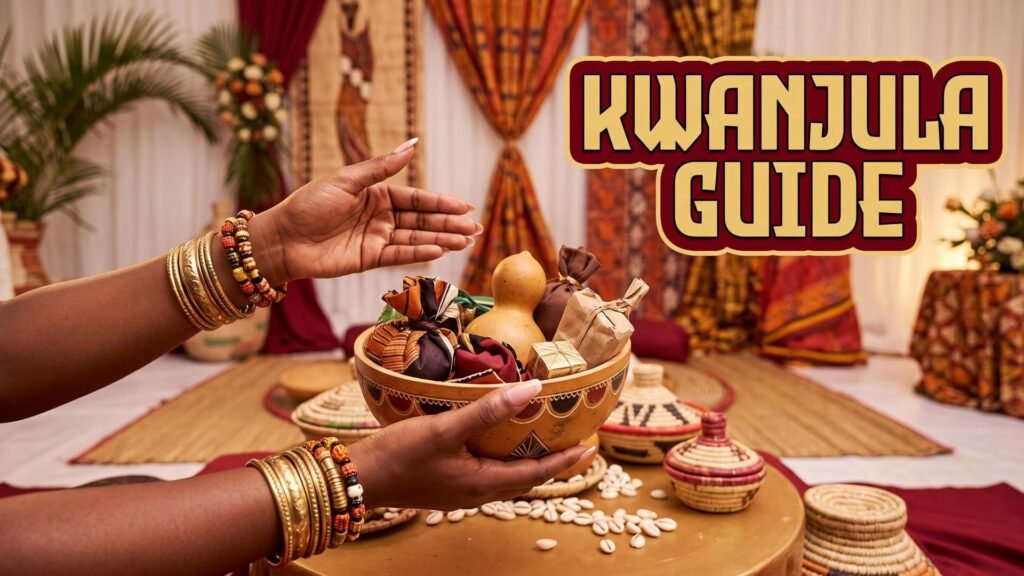
A Kwanjula is one of the most important family celebrations in Uganda. It is the traditional introduction ceremony where families formally meet, traditions are observed, gifts are exchanged, and the couple takes an important step toward marriage.
But anyone who has organized a Kwanjula knows that there is a lot happening behind the scenes.
You have to think about the budget, guest list, venue, food, decorations, outfits, gifts, entertainment, parking, accommodation and, most importantly, the cultural requirements of the ceremony.
The secret to a successful Kwanjula is simple: start planning early and organize the major things first.
Here is a practical guide to help you organize a beautiful and successful Kwanjula in Uganda.
1. Start With Your Budget
Before choosing decorations, outfits or even a venue, determine how much you can realistically afford.
Your budget will influence almost every other decision.
Some of the major expenses may include:
- Food and drinks
- Venue
- Decoration
- Introduction gifts
- Clothing and changing outfits
- Photography and videography
- Entertainment and sound
- Transport
- Accommodation
- Chairs, tables and tents
- Cake
- Makeup and hair
- Unexpected expenses
Once you have established your total budget, allocate an amount to each category.
It is also advisable to leave approximately 10% of your budget for unexpected expenses. Kwanjulas have many moving parts, and additional costs can easily appear during the final days.
2. Agree on the Guest List Early
Your guest list determines your food budget, seating requirements and the size of venue you need.
Start by estimating how many guests will come from both families.
Are you organizing a small Kwanjula of 50 to 100 people? Or are you expecting 200, 300 or even more guests?
Try to establish a realistic number early.
One of the easiest ways for a Kwanjula budget to grow unexpectedly is continuously adding guests after arrangements have already been made.
3. Choose the Right Kwanjula Venue
Traditionally, Kwanjulas are hosted at the bride’s family home. However, this is not practical for every family.
Some homes have limited space or parking. Others may require significant renovation before hosting hundreds of guests. In some cases, the family home may simply be too far from where most guests live.
This is why many families now choose to hold their Kwanjula at a dedicated venue.
When selecting a Kwanjula venue in Kampala, consider:
Location: Can guests reach it easily?
Capacity: Can the venue comfortably accommodate your expected number of guests?
Parking: Is there enough secure parking?
Changing space: Is there somewhere private for the bride and her entourage to prepare and change outfits?
Food: Does the venue provide catering?
Weather: Is there a backup option if it rains?
Cost: What exactly is included in the venue price?
A venue that provides several of these services together can significantly simplify your planning.
4. Understand the Cultural Requirements
A Kwanjula is not simply another wedding reception. It is a cultural ceremony.
Before making arrangements, speak to elders and family representatives from both sides.
Understand what will be expected during the ceremony, including gifts, traditional practices, family representatives, speeches and the sequence of events.
Different families and communities may observe traditions differently.
Do not wait until the week of the Kwanjula to discover an important cultural requirement that should have been planned months earlier.
5. Create a Kwanjula Planning Committee
You should not try to organize everything yourself.
Create a small committee of reliable family members and friends and assign responsibilities.
For example, different people can take responsibility for catering, guests, transport, gifts, finances, decorations and coordination on the actual day.
Most importantly, appoint one overall coordinator.
On the day of your Kwanjula, the bride and groom should not be receiving phone calls asking where chairs should be placed or whether the photographer has arrived.
Someone else should be responsible for those decisions.
6. Book Your Major Suppliers Early
Good suppliers are often booked weeks or months in advance, especially during busy wedding seasons.
Once you have confirmed your date, start securing the major suppliers.
These may include:
- Venue
- Caterer
- Decorator
- Photographer and videographer
- DJ or entertainment
- Makeup artist
- Cake provider
- Transport
- Traditional clothing providers
Ask every supplier exactly what their package includes.
A cheap quotation can become expensive when you later discover that chairs, transport, setup, equipment or other necessities were not included.
7. Take Food Seriously
Guests may forget the exact flowers you used, but they are unlikely to forget waiting two hours for food.
Catering is one of the most important elements of a successful Kwanjula.
Confirm your expected guest numbers with the caterer and ensure there is enough food for everyone, including a reasonable buffer.
Also discuss serving arrangements.
Who will serve the guests? How many servers will be available? When will the food be served? Where will drinks be distributed?
Good food combined with efficient service makes a major difference to the guest experience.
8. Plan the Bride’s Changing Area
One detail that can easily be overlooked is where the bride and her entourage will prepare.
During many Kwanjulas, the bride may appear in several outfits.
You therefore need a private, comfortable and secure changing area close to the function.
It should have enough space for clothing, makeup and the people assisting the bride.
This becomes particularly important when hosting the Kwanjula away from home.
9. Prepare for Kampala’s Weather
If you are organizing an outdoor Kwanjula, never assume it will not rain.
Have a rain plan.
This could mean tents, covered gardens, an indoor backup area or a venue that allows the function to continue comfortably regardless of the weather.
Also consider the sun. Guests should not spend several hours sitting directly under the afternoon sun.
10. Think About Parking and Accessibility
Imagine organizing a beautiful Kwanjula only for guests to spend 30 minutes looking for somewhere to park.
When evaluating venues, consider both the number of guests and the number of vehicles expected.
You should also consider elderly guests. Avoid arrangements that require them to walk unnecessarily long distances or climb difficult stairs without an alternative.
11. Create a Program for the Day
A good Kwanjula should feel natural, but it should still have structure.
Create an approximate program showing when important activities will happen.
Your program might cover:
Guest arrival → Family introductions → Traditional proceedings → Bride’s appearances → Presentation of gifts → Speeches → Food → Photography → Entertainment.
You do not have to follow every minute rigidly, but having a program helps your MC, family representatives, caterers, photographers and other suppliers coordinate their work.
12. Confirm Everything One Week Before
Do not assume that because you booked someone three months ago, everything is still understood.
Approximately one week before the Kwanjula, confirm all the important details.
Confirm the guest estimate, food quantities, venue, arrival times, decorations, entertainment, photography, transportation, accommodation, changing rooms and payments.
Create a contact list containing the phone numbers of every important supplier and coordinator.
13. Avoid Trying to Impress Everyone
This is one of the most important pieces of advice when organizing a Kwanjula.
It is very easy to overspend because you want the ceremony to look impressive.
But a successful Kwanjula does not necessarily have to be an expensive Kwanjula.
Prioritize the things that affect the actual experience: good food, comfortable seating, proper organization, cultural requirements, accessibility and good service.
Spend according to your means.
The objective should be to create a beautiful family celebration, not financial pressure that follows you into your marriage.
Looking for a Kwanjula Venue in Kampala?
If you would rather avoid the stress of preparing your family home, Palm Gardens and Guest House provides an alternative for families looking for a convenient Kwanjula venue in Kampala.
We provide several venue options suitable for different Kwanjula sizes, including gardens, indoor spaces and rooftop options.
Our Kwanjula offering includes:
- Free venue
- Food packages starting from approximately UGX 35,000 per plate, including chicken and drinks
- Ample parking for guests
- A team on the ground to help serve and coordinate your function
- A two-bedroom mini house next to the introduction venue, where the bride and her entourage can prepare and change during the function
- A complimentary room for the wedding couple for one night where the Kwanjula is part of their wedding celebrations
- Different spaces depending on the size and style of your function
For families who would prefer a more traditional home environment without hosting at their own home, we also have an alternative Kwanjula venue in Gayaza, featuring a beautiful home with a large compound. This venue is available at an additional cost.
Your Kwanjula Should Be a Celebration, Not a Source of Stress
There will always be small surprises when organizing a Kwanjula. The objective is not to make everything perfect.
The objective is to prepare well enough that when the day finally arrives, the couple and their families can concentrate on what actually matters: celebrating the joining of two families.
Start early, establish your budget, involve your families, choose reliable suppliers and select a venue that removes as much logistical pressure as possible.
With the right preparation, your Kwanjula can be memorable for all the right reasons.
Planning a Kwanjula in Kampala? Contact Palm Gardens and Guest House to discuss your date, expected number of guests and available venue options. Contacts:
