
If you have attended a traditional marriage ceremony in Uganda, particularly among the Baganda, you have probably heard the word Kwanjula.
But what exactly is a Kwanjula, why is it important, who attends, what happens during the ceremony, and how much does it cost to organize one?
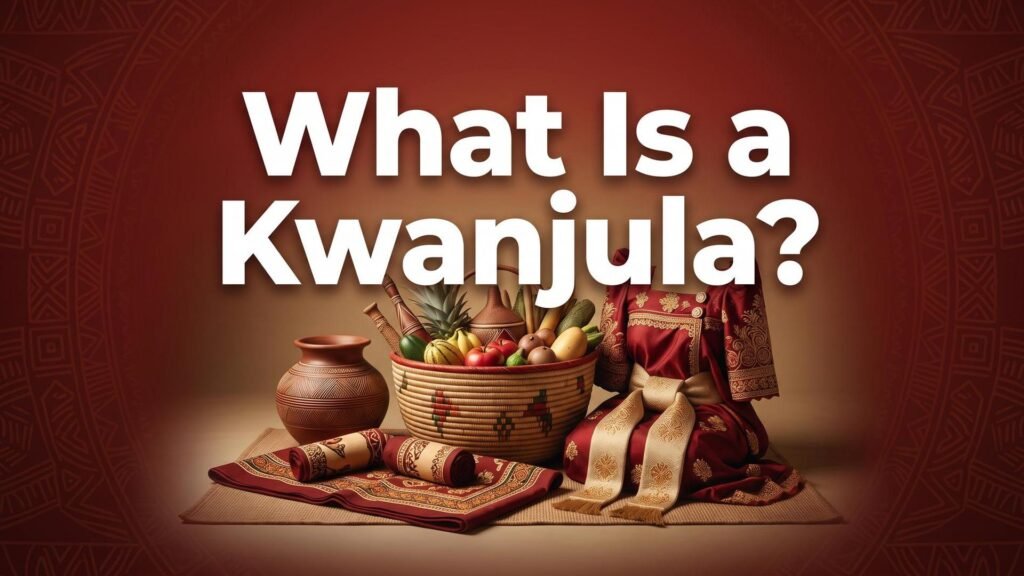
A Kwanjula is a traditional introduction and marriage ceremony practiced among the Baganda of Uganda, during which the bride formally introduces her future husband and his family to her family. It is one of the most significant stages of traditional marriage in Buganda.
Although Kwanjula is specifically associated with Buganda culture, many Ugandan communities have their own forms of traditional introduction and marriage ceremonies.
This guide explains what a Kwanjula is, what happens during the ceremony, what you need to prepare, the role of the families, gifts, clothing, food, venues and some of the costs involved.
What Does Kwanjula Mean?
The word Kwanjula comes from Luganda and can broadly be understood as “to introduce.”
In the context of marriage, Kwanjula refers to the formal introduction of the prospective husband and his family to the woman’s family.
It goes beyond simply introducing two people.
The ceremony brings together two families and formally acknowledges their relationship. It provides an opportunity for the families to meet, observe cultural traditions, exchange gifts, receive advice from elders and celebrate the couple.
For this reason, Kwanjula is an important family and cultural event rather than simply a party.
What Is the Difference Between Kukyala and Kwanjula?
People unfamiliar with traditional marriage customs in Buganda sometimes confuse Kukyala and Kwanjula.
They are related, but they are not the same ceremony.
Kukyala
Kukyala generally comes before Kwanjula.
It is a smaller visit where the prospective husband is introduced to members of the woman’s family, traditionally through the appropriate family channels.
It is normally much smaller and less elaborate than Kwanjula.
Kwanjula
Kwanjula is the larger and more formal traditional introduction ceremony.
This is when the man’s family and delegation formally visit the woman’s family. Both families participate in the ceremony, gifts are presented, cultural procedures are followed and the relationship is formally celebrated.
A simple way of looking at the process is:
Kukyala → Kwanjula → Wedding
The exact sequence and arrangements can vary depending on the families involved.
Why Is Kwanjula Important?
Kwanjula is important because marriage in traditional Buganda culture involves more than the bride and groom.
It also involves their families.
The ceremony creates a formal relationship between the two families and provides a structured setting in which relatives can meet each other.
For the couple, it is also an opportunity to honour their families and cultural heritage.
Even as Ugandan weddings have become increasingly modern, Kwanjula remains an important tradition for many couples.
Who Organizes the Kwanjula?
Traditionally, the Kwanjula is hosted by the bride’s family.
However, organizing a modern Kwanjula can involve considerable coordination between the couple, relatives, family representatives and service providers.
Depending on the size of the function, preparations may include:
- Choosing the date
- Determining the number of guests
- Selecting a Kwanjula venue
- Planning food and drinks
- Organizing tents, chairs and tables
- Choosing decorations
- Preparing traditional clothing
- Organizing gifts
- Hiring photography and videography
- Arranging music and entertainment
- Coordinating parking
- Preparing changing rooms for the bride and entourage
Large Kwanjulas can involve hundreds of guests, making planning particularly important.
Where Is a Kwanjula Held?
Traditionally, a Kwanjula is associated with the bride’s family home.
However, it is increasingly common for families in Kampala and surrounding areas to hold Kwanjulas at gardens, hotels, guest houses, event venues and private function spaces.
There are several practical reasons for this.
Many urban homes do not have enough compound space to comfortably accommodate hundreds of guests and their vehicles.
Hosting at home may also require families to temporarily renovate the house, create additional parking, hire tents, chairs, tables, toilets and catering equipment, and handle significant cleaning before and after the ceremony.
An established Kwanjula venue can therefore simplify the process considerably.
For example, Palm Gardens and Guest House in Kampala provides spaces for Kwanjulas of different sizes, including garden, rooftop and other function spaces.
Families can host the ceremony away from home while still arranging the function according to their cultural requirements.
What Happens During a Kwanjula Ceremony?
The exact programme can differ between families, but a Kwanjula normally follows an established cultural structure.
1. The Groom’s Family Arrives
The groom does not normally arrive alone.
He comes with relatives, friends and representatives of his family.
The delegation may include parents, siblings, aunties, uncles, friends and other relatives.
One particularly important person is the representative who speaks on behalf of the groom’s side.
2. The Families Formally Receive Each Other
The ceremony involves carefully structured exchanges between representatives of the two families.
These exchanges can be humorous and entertaining while still carrying cultural significance.
The groom’s delegation formally explains why they have come.
3. The Bride Is Identified
One of the memorable elements of many Kwanjula ceremonies is the process leading to the identification and presentation of the bride.
Different groups may be presented as part of the ceremony before the bride eventually appears.
This often creates some of the day’s most entertaining moments.
4. The Groom Is Introduced
The prospective husband is formally presented to the bride’s family.
This is at the heart of the idea of Kwanjula, the introduction.
5. Gifts Are Presented
The groom’s family normally brings gifts to the bride’s family.
The specific gifts depend on agreements between the families, cultural expectations and what has been communicated during preparations.
6. Elders Address the Couple
Family elders and representatives may offer advice about marriage, family and responsibilities.
This is an important reminder that Kwanjula is not simply entertainment. It is also about family, commitment and continuity.
7. Food, Celebration and Entertainment
Once the formal elements have been completed, the celebration continues with food, photography, music, interaction between guests and other entertainment.
The Complete Kwanjula Guide in Uganda: Costs, Planning, Venues & How to Make It Happen
What Gifts Are Taken for a Kwanjula?
Gifts are an important part of Kwanjula preparations.
The exact requirements should always be discussed with the relevant family representatives rather than assumed.
Depending on the family, gifts may include items such as:
- Foodstuffs
- Drinks
- Fruits
- Household items
- Clothing
- Traditional items
- Gifts for parents or relatives
- Other specifically requested items
Requirements vary considerably between families.
If you are preparing for your Kwanjula, confirm the expected items early. Leaving the gift list until the final days can create unnecessary pressure and expenses.
What Do People Wear to a Kwanjula?
Clothing is one of the most recognizable parts of a Ugandan Kwanjula.
For Baganda women, the Gomesi is commonly worn.
Men may wear the traditional Kanzu, often accompanied by a jacket.
The bride may make several appearances wearing different outfits during the ceremony, which means she needs somewhere private and convenient to change.
The groom and members of the entourage may also coordinate their clothing.
Because of these outfit changes, couples selecting a Kwanjula venue should consider whether appropriate changing rooms are available close to the function area.
At Palm Gardens and Guest House, for example, a two-bedroom mini house next to the introduction venue can provide the bride and her entourage with space to prepare and change during the function.
How Many People Attend a Kwanjula?
There is no fixed number.
A small Kwanjula might involve close family and friends, while a large function may attract several hundred guests.
Your guest count has a major effect on the overall cost.
For example, increasing your guest list from 150 to 300 people does not simply require more chairs. It also increases expenditure on food, drinks, tables, tents, service staff, parking requirements and other logistics.
One of the first questions every couple should therefore answer is:
How many people can we realistically afford to host?
Build the Kwanjula around that number rather than inviting everyone first and calculating the cost later.
How Much Does a Kwanjula Cost in Uganda?
There is no standard Kwanjula price.
A Kwanjula can be organized relatively affordably or become a very large event depending on the couple’s preferences.
The main cost categories normally include:
- Food and drinks
- Venue
- Decorations
- Clothing
- Gifts
- Photography and videography
- Entertainment and sound
- Tents, chairs and tables where required
- Transport
- Accommodation where required
- Hair and makeup
- Other family and ceremonial requirements
The biggest variables are usually the number of guests and the level of decoration and entertainment selected.
This is why choosing a venue where some essentials are already provided can significantly simplify budgeting.
How to Organize an Affordable Kwanjula in Kampala
A beautiful Kwanjula does not necessarily require spending enormous amounts of money.
Start with the essentials.
Set Your Guest List Early
Food is usually charged per guest.
If you are working with a limited budget, controlling the guest list is one of the most effective ways of controlling costs.
Look at the Total Venue Cost, Not Just the Venue Fee
A venue charging a low fee can still become expensive if you have to separately hire everything else.
Ask what is included.
Does the venue provide chairs?
Tables?
Parking?
Changing rooms?
Accommodation?
Catering?
Service staff?
These details affect your final cost considerably.
Prioritize Food
Guests may admire your decorations, but they will definitely remember whether they were fed properly.
Allocate enough of the budget to food and service before spending heavily on extras.
Choose a Convenient Location
A venue that is extremely far away may create additional transport complications for both families and guests.
For Kampala families, choosing a centrally accessible venue can make attendance easier.
Avoid Unnecessary Home Renovations
Some families spend significant amounts repainting, landscaping, repairing compounds and making other improvements simply because the Kwanjula will take place at home.
If the property requires major work to accommodate the function, compare that cost against using an established venue.
You may discover that hosting away from home is more economical.
Why More Families Are Hosting Kwanjulas Away From Home
Hosting a Kwanjula at home can be beautiful and culturally meaningful, but it is not always practical.
Common challenges include limited space, insufficient parking, expensive preparations, cleaning before and after the ceremony, washing large quantities of plates and utensils, temporary renovations and the need to hire almost all event infrastructure separately.
This has made dedicated Kwanjula venues increasingly attractive, particularly for families living in Kampala.
A good venue allows the family to concentrate on the ceremony itself while an experienced team handles much of the hospitality and event logistics.
What Should You Look for in a Kwanjula Venue in Kampala?
Do not select a venue based only on appearance.
For a Kwanjula, practical considerations are equally important.
Before booking, check:
Capacity: Can the venue comfortably accommodate your expected guests?
Parking: Where will several dozen or potentially hundreds of vehicles park?
Food: Is catering available and what is the price per plate?
Changing facilities: Does the bride have a private place to change outfits?
Weather protection: What happens if it rains?
Accessibility: Can elderly relatives and other guests comfortably access the venue?
Furniture: Are chairs and tables included or hired separately?
Accommodation: Are rooms available for the couple or close relatives?
Service: Is there a team available to serve guests and coordinate the venue?
Flexibility: Can the space accommodate the traditional structure of your particular Kwanjula?
Ask these questions before paying a deposit.
Palm Gardens and Guest House as a Kwanjula Venue in Kampala
For couples who prefer to host their Kwanjula away from home, Palm Gardens and Guest House offers an alternative within Kampala.
One of the biggest advantages is the ability to combine the venue, food, accommodation and event facilities rather than organizing every component independently.
Depending on the selected package and arrangements, Palm Gardens offers:
- Free Kwanjula venue
- Food options starting from approximately UGX 35,000 per plate, including chicken and drinks
- Ample parking
- A team on the ground to serve guests
- Different venue options for different function sizes
- Garden and rooftop spaces
- A two-bedroom mini house next to the introduction venue where the bride and her entourage can prepare and change
- Accommodation options
- A complimentary room for the wedding couple for one night where applicable
This can be particularly useful for families that do not have enough space at home or simply want to avoid the logistical burden of transforming a residential property into a large event venue.
Palm Gardens also has access to an alternative Kwanjula setting in Gayaza, consisting of a beautiful home with a large compound. Unlike the free venue option at Palm Gardens, the Gayaza venue is offered at an additional cost.
Kwanjula Planning Checklist
If you are preparing for your introduction ceremony, use this simple checklist:
- Agree on the date with both families
- Establish your overall budget
- Estimate the number of guests
- Confirm the Kwanjula venue
- Confirm the cultural requirements
- Prepare the required gifts
- Select outfits for the bride and groom
- Arrange outfits for the entourage where necessary
- Book catering
- Arrange chairs, tables and tents
- Select decorations
- Book photography and videography
- Arrange sound and entertainment
- Confirm transport
- Confirm parking arrangements
- Prepare changing rooms
- Create the day’s programme
- Assign family representatives and speakers
- Confirm accommodation where necessary
- Reconfirm all suppliers before the function
Do not wait until the final week to coordinate these items.
Frequently Asked Questions About Kwanjula
What is a Kwanjula in Uganda?
A Kwanjula is a traditional introduction and marriage ceremony associated with the Baganda of Uganda. It formally introduces the prospective husband and his family to the woman’s family and brings the two families together.
What does Kwanjula mean in English?
Kwanjula can broadly be translated as “to introduce.” In the marriage context, it refers to the formal introduction ceremony between the families.
Is Kwanjula the same as a wedding?
No. Kwanjula is a traditional introduction/marriage ceremony and is distinct from a church, mosque, civil or other wedding ceremony. Couples may hold both a Kwanjula and another wedding ceremony.
What comes first, Kukyala or Kwanjula?
Kukyala generally takes place before Kwanjula.
Who pays for a Kwanjula?
There is no single arrangement that applies to every family. Costs and responsibilities may be shared between the couple and their families depending on their circumstances and agreements.
Can you hold a Kwanjula away from the bride’s home?
Yes. Although traditionally associated with the bride’s family home, many modern families use event venues, gardens, hotels, guest houses or other suitable private spaces, especially where the family home cannot comfortably accommodate the expected number of guests.
How long does a Kwanjula take?
The duration depends on the programme and family traditions, but couples should generally plan for several hours because the ceremony involves formal introductions, family exchanges, gift presentation, speeches, outfit changes, food and celebration.
What is the best Kwanjula venue in Kampala?
The best venue depends on your guest count, budget, preferred location and requirements. Look for adequate parking, catering, changing facilities, weather protection, service staff and enough space for the ceremony. Palm Gardens and Guest House is one option for families looking for an affordable Kwanjula venue within Kampala.
Final Thoughts
A Kwanjula is much more than a colourful function.
It is the formal bringing together of two families and an important expression of Buganda’s marriage traditions.
The Gomesis, Kanzus, gifts, food, music and decorations make the day beautiful, but the central purpose remains the same: two people are bringing their families together and formally acknowledging their intention to build a life together.
If you are planning your own Kwanjula, start with the fundamentals: understand the cultural requirements, involve the appropriate family members, establish a realistic budget, control your guest list and choose a venue capable of supporting the ceremony properly.
Looking for an Affordable Kwanjula Venue in Kampala?
Palm Gardens and Guest House provides Kwanjula spaces for couples who want to celebrate without the stress and expense of preparing their home for hundreds of guests.
With a free venue, food packages from around UGX 35,000 per plate, ample parking, changing facilities, accommodation and an experienced team on the ground, you can focus more of your energy on the occasion itself.
Contact Palm Gardens and Guest House on +256783920959 to arrange a venue visit and discuss your expected number of guests and Kwanjula requirements.
